
Sustainability impact
Plastic-to-Plastic
Uses feedstock that can be efficiently produced with little sorting loss.
Uses the biogenic material as a booster of valuable chemicals.
Only has one conversion step with no detour.
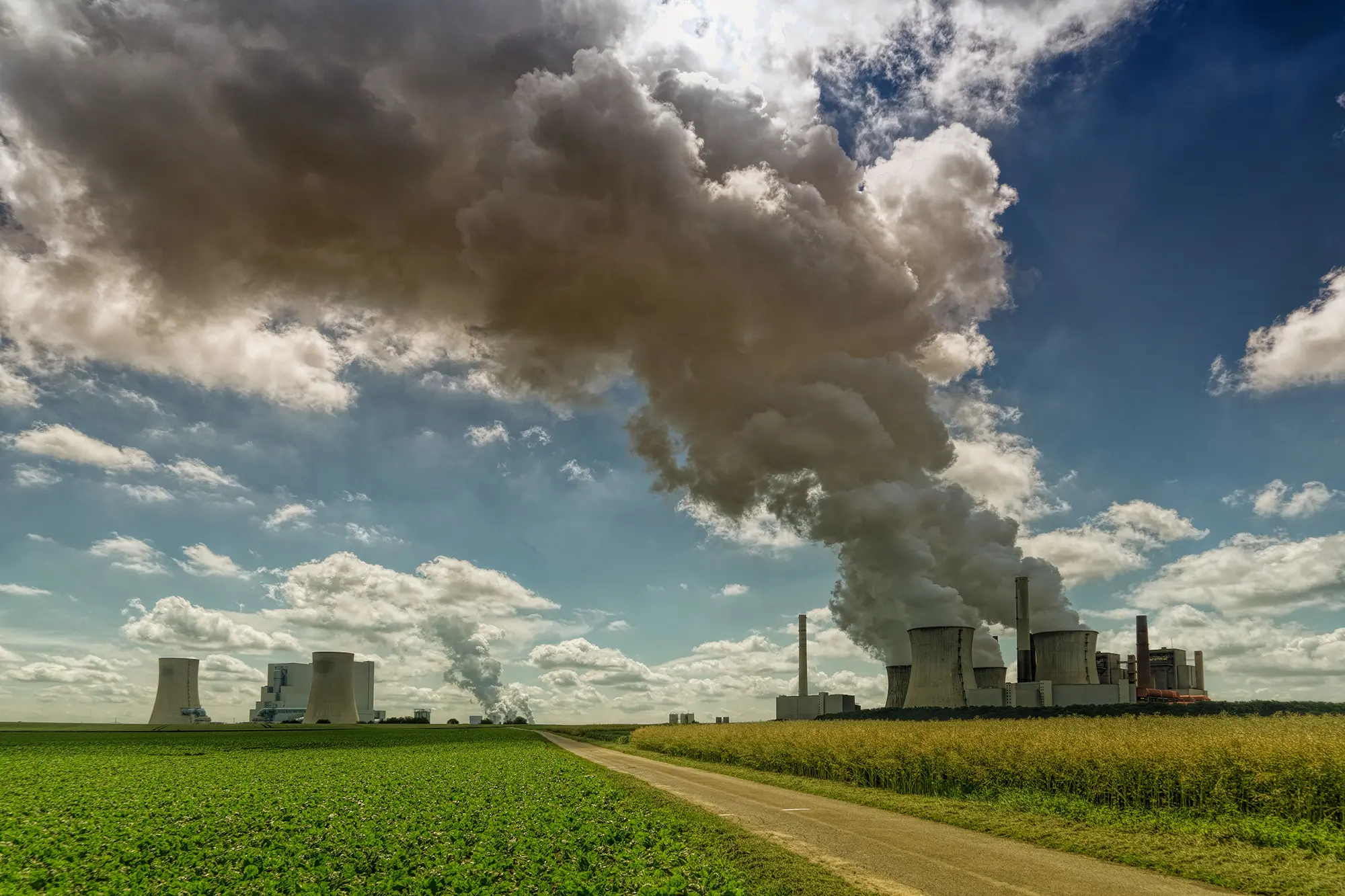
CO2 emission reduction
SYNOVA realizes that recycling only makes sense if CO2 emissions are reduced. A third party (CE Delft) calculated a 3.3 kg CO2 reduction per kg of high value chemicals for the waste-to-olefins process and 3.5 kg CO2 benefit per kg BTX for the waste-to-BTX process, based on incineration as reference for the waste.
Ready for net zero
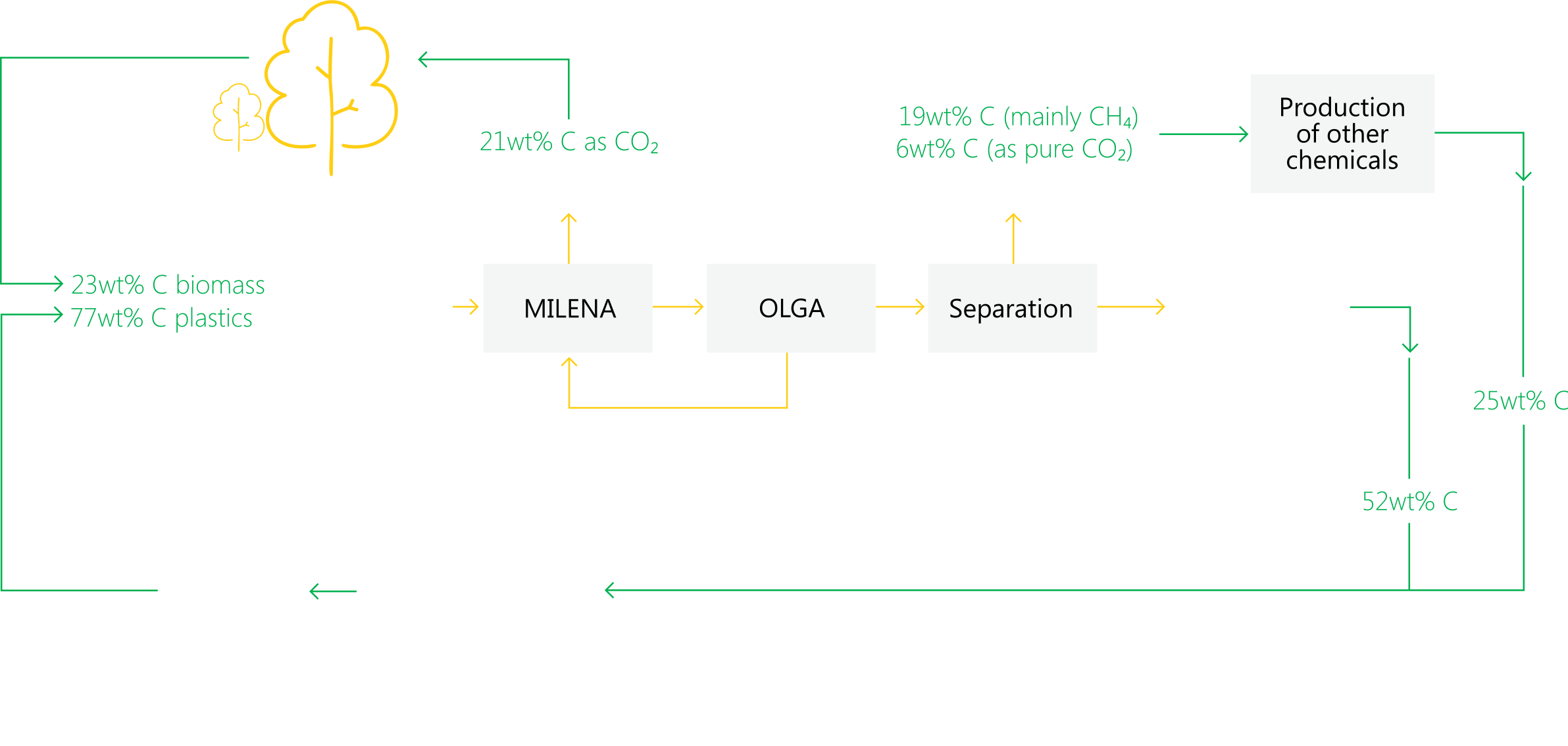
Our processes do not only significantly reduce CO2 emissions, but also have several options to become CO2 net-zero. This is possible thanks to the ability to handle feedstock that contains biogenic material. Furthermore, several co-products can be upgraded to new chemicals by essentially converting the carbon from co-products methane and CO2 to chemicals. The scheme shows an example of a net-zero concept for our waste-to-olefins solution. HVC: High Value Chemicals.
Join our Sustainable mission
We can supply feasibility studies, detailed feasibility studies, process design packages, post-engineering services, equipment, and licenses for our processes. If you are interested, please contact us for more information